How to Spot a Storm Chaser Scam After a Storm
When a major storm rolls through your neighborhood, it can leave behind a trail of damage — and unfortunately, a wave of dishonest contractors ready to take advantage of vulnerable homeowners. These so-called “storm chasers” are not the daring weather enthusiasts you see on TV. They can be opportunistic scammers who descend on storm-damaged communities, offering quick repairs at suspiciously attractive prices. Knowing how to spot them can save you thousands of dollars and a whole lot of heartache.
They Show Up Uninvited
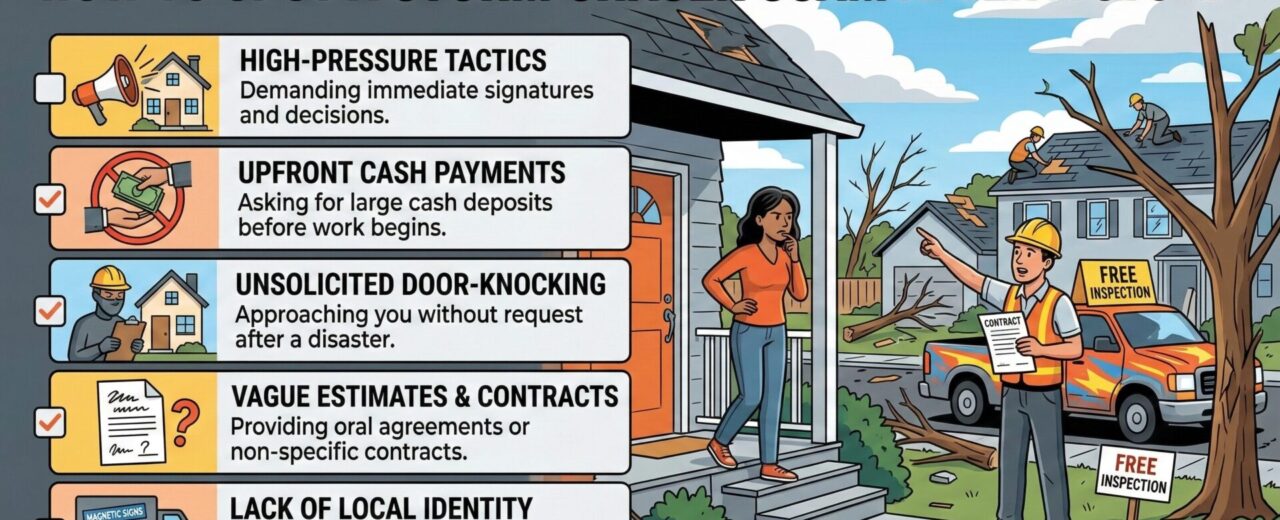
One of the most telling signs of a storm chaser scam is the unsolicited knock at your door. Legitimate, reputable contractors don’t need to canvas neighborhoods looking for work — their phone rings off the hook because of their reputation. If someone shows up at your door within hours of a storm, clipboard in hand, offering a free inspection or an urgent deal, be very cautious. Scammers know that homeowners are stressed and eager to get repairs done quickly. They exploit that urgency.
No Local Ties or Verifiable Credentials
Ask any contractor who approaches you after a storm for their license number, proof of insurance, and a local business address. Storm chaser scammers often have out-of-state plates, no local office, and vague or unverifiable credentials. They may hand you a business card with a generic name and a cell phone number — nothing that ties them to a legitimate, established business. Always verify a contractor’s license through your state’s licensing board before signing anything.
Pressure Tactics and “Too Good to Be True” Offers
Storm chaser scammers are masters of the pressure sale. Watch for these red flags:
- Insisting the deal is only valid “today” or before you can get other quotes
- Offering to waive your insurance deductible (this is often illegal)
- Demanding a large cash deposit upfront before any work begins
- Pressuring you to sign a contract before your insurance adjuster has assessed the damage
- Giving a verbal quote only, with no written estimate or scope of work
Any of these tactics should send you looking in the other direction.
Shoddy Materials and Disappearing Acts
In many cases, storm chasers do complete some work — just not the quality work you paid for. They may use cheap, mismatched materials, skip critical steps like underlayment, or perform only cosmetic fixes that mask deeper structural problems. Once they’ve collected payment, they’re gone. When issues emerge weeks or months later, that phone number on their card goes straight to voicemail — or is disconnected entirely.
How to Protect Yourself
The best defense is patience and due diligence. Contact your insurance company first and wait for an official adjuster’s report. Get at least three written quotes from established, locally-known contractors. Check reviews on the Better Business Bureau and Google, and ask neighbors or friends for personal referrals. Never pay more than 10–15% upfront, and always get a detailed written contract before work begins.
A storm is stressful enough without falling victim to a scam. Trust your instincts — if something feels off, it probably is. Take your time, do your homework, and hire someone who will still be around to honor their warranty long after the skies have cleared.