What Is Roof Deflection, and When Should You Be Concerned?
Your roof is designed to withstand significant weight from roofing materials, snow, wind, and everyday environmental conditions. But what happens when your roof begins to sag or dip? This condition may be caused by roof deflection, and understanding when it’s normal versus when it’s a warning sign can help prevent serious structural problems.
What Is Roof Deflection?
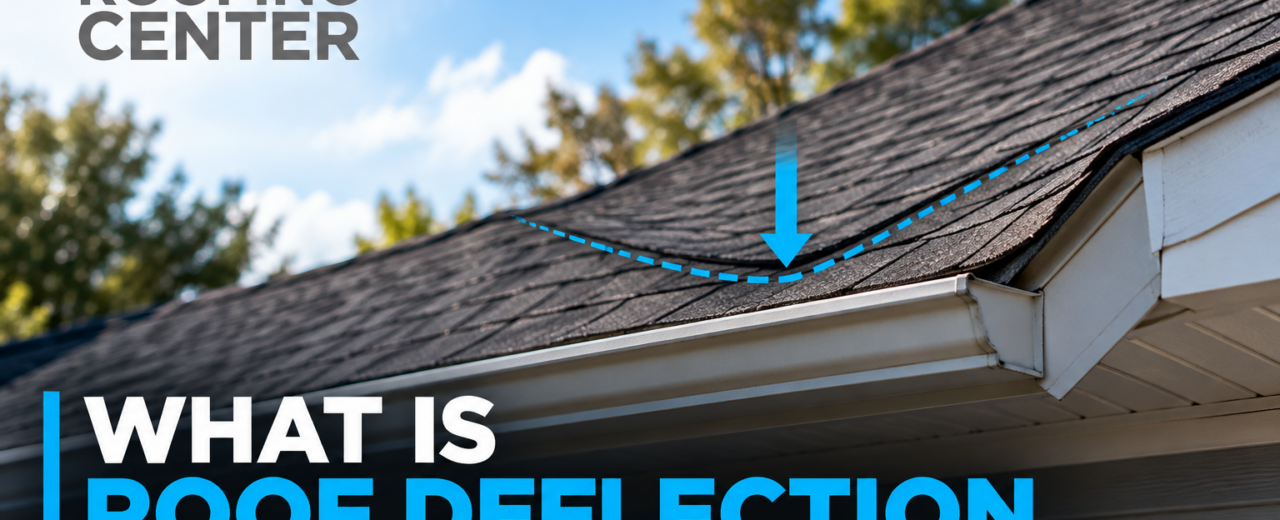
Roof deflection refers to the bending or movement of a roof’s structural components under a load. Rafters, trusses, and roof decking naturally flex slightly when supporting weight.
A certain amount of deflection is normal and accounted for during structural design. However, excessive deflection can indicate that your roof is carrying more weight than intended or that structural components have weakened.
Unlike normal movement, excessive deflection may appear as visible sagging, uneven rooflines, or noticeable dips between structural supports.
What Causes Roof Deflection?
Several factors can contribute to excessive roof deflection:
- Heavy snow accumulation: Snow creates additional weight, particularly when wet or densely packed.
- Aging or damaged framing: Wood deterioration, moisture damage, or compromised structural members can reduce load-carrying capacity.
- Improper construction: Undersized rafters, inadequate support, or excessive spacing between framing members can contribute to sagging.
- Additional roofing layers: Installing new roofing materials over existing layers increases the weight supported by the structure.
- Water accumulation: Poor drainage on low-slope and flat roofs can lead to ponding water, increasing structural loads.
When Should You Be Concerned?
Not every uneven roofline indicates a structural emergency. However, certain warning signs deserve immediate attention.
Visible sagging or dipping: A roofline that appears to bow downward, especially if the condition is worsening, should be evaluated.
Standing water on flat roofs: Persistent ponding water may indicate inadequate drainage, roof deflection, or both. The additional weight can worsen existing problems.
Cracks in interior walls or ceilings: New cracks, particularly when accompanied by roof movement, may indicate structural stress.
Sudden changes after heavy snowfall: New sagging, popping sounds, or noticeable movement following a significant snowstorm can signal a potentially dangerous condition.
If you notice sudden or severe sagging, avoid entering the affected area and contact a qualified structural professional.
Can Roof Deflection Be Repaired?
The appropriate repair depends on the underlying cause.
Minor issues may be addressed through improved drainage or targeted repairs. More significant problems could require reinforcing or replacing structural framing members.
Importantly, installing new shingles or roofing materials will not correct an underlying structural deficiency.
A qualified structural engineer may be needed to determine whether the roof meets applicable structural requirements and recommend appropriate repairs.
Protect Your Roof Before Small Problems Become Major Repairs
Roof deflection isn’t always a reason for alarm, but it’s never something homeowners or commercial property managers should ignore when visible changes occur.
At The Roofing Center, we understand that a roofing system is only as reliable as the structure supporting it. Our team can inspect visible roof conditions, identify potential concerns, and help determine when additional structural evaluation is necessary.
Concerned about sagging, ponding water, or an uneven roofline? Contact The Roofing Center today to schedule a professional roof inspection.