
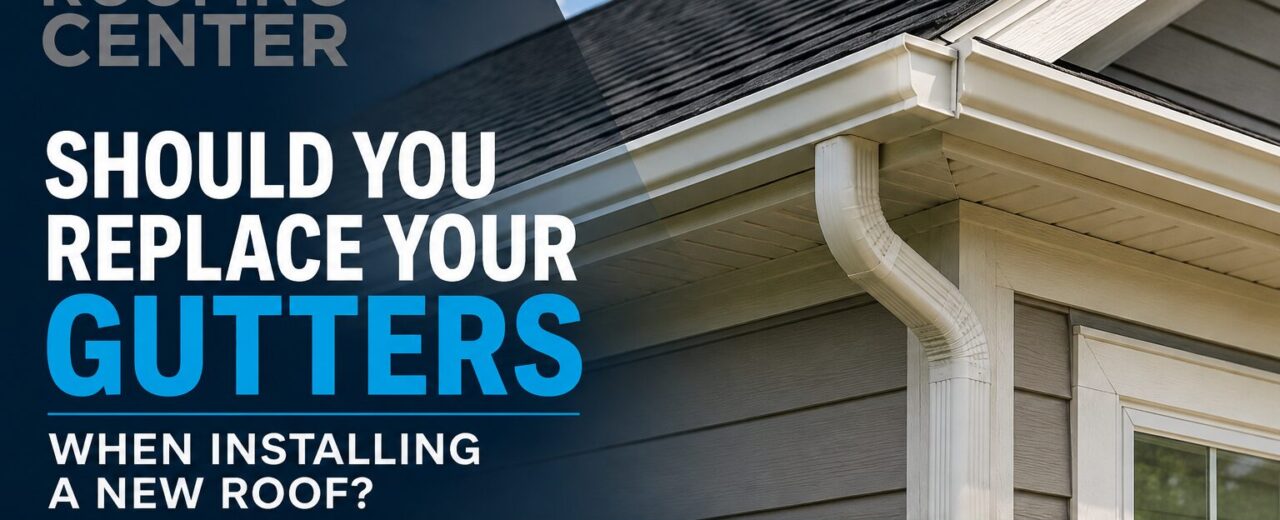
Should You Replace Your Gutters When Getting a New Roof?
Everything Homeowners Need to Know Before a Roof Replacement
If you’re investing in a new roof, you may be wondering whether it’s also time to replace your gutters. It’s one of the most common questions homeowners ask during the roof replacement process—and the answer depends on the age, condition, and performance of your existing gutter system.
In many cases, replacing your gutters during a roof replacement is the smartest long-term investment. Since your roof and gutters work together to move water away from your home, replacing both systems at the same time can improve performance, reduce labor costs, and protect your home for decades.
Let’s look at when replacing your gutters makes sense—and when your current gutters may still have plenty of life left.
Table of Contents
- Why Gutters Matter During a Roof Replacement
- Signs It’s Time to Replace Your Gutters
- When You Can Keep Your Existing Gutters
- Benefits of Replacing Gutters with a New Roof
- How Much Does Gutter Replacement Cost?
- Frequently Asked Questions
- Schedule a Professional Roof & Gutter Inspection
Why Gutters Matter During a Roof Replacement
Your roof sheds thousands of gallons of water every year. Your gutters are responsible for safely directing that water away from your home’s:
- Foundation
- Siding
- Landscaping
- Windows
- Fascia boards
- Basement or crawl space
A beautiful new roof won’t perform as intended if worn-out gutters allow water to overflow or leak behind the fascia.
Think of your roof and gutters as one complete water management system—not two separate components.
Signs You Should Replace Your Gutters
If your gutters show any of the following signs, replacement is often recommended during your roof installation.
1. Your Gutters Are More Than 20 Years Old
Most seamless aluminum gutters last 20 to 30 years, depending on maintenance and climate. If they’re approaching the end of their lifespan, replacing them while installing your new roof can help you avoid paying for another installation a few years later.
2. They’re Leaking
Small leaks eventually become larger problems.
Watch for:
- Water dripping from seams
- Rust holes
- Cracked sealant
- Water stains on fascia boards
Leaks allow water to reach areas that should remain dry, leading to wood rot and expensive repairs.
3. They’re Pulling Away From the House
Sagging gutters usually indicate:
- Rotten fascia
- Loose fasteners
- Excess weight
- Improper pitch
A roof replacement provides the perfect opportunity to inspect and repair these hidden issues.
4. They Overflow During Rainstorms
Overflowing gutters are often caused by:
- Improper sizing
- Poor pitch
- Damage
- Years of wear
Water spilling over the front of your gutters can damage landscaping, siding, windows, and your home’s foundation.
5. They’ve Been Damaged by Hail or Wind
Colorado and Utah homeowners know storms can damage more than shingles.
Look for:
- Dents
- Bent sections
- Loose downspouts
- Crushed corners
- Separated joints
Storm damage often affects both the roofing system and gutter system simultaneously.
When You Can Keep Your Existing Gutters
Not every roof replacement requires new gutters.
Your gutters may be perfectly suitable if they are:
- Less than 10–15 years old
- Securely attached
- Free of leaks
- Properly sloped
- Seamless with minimal wear
- Draining efficiently
- Free of rust and corrosion
A professional roofing contractor should inspect the entire drainage system before recommending replacement.
Sometimes a simple reseal, adjustment, or cleaning is all that’s needed.
Benefits of Replacing Gutters During a Roof Replacement
Save Money
Replacing gutters during roof installation can reduce labor costs because crews are already mobilized and working around the roofline.
Completing both projects together often costs less than scheduling two separate installations.
Improve Curb Appeal
A brand-new roof paired with faded, dented gutters is like putting new tires on a car with rusted wheels.
New gutters provide:
- Clean lines
- Updated colors
- Better home value
- Improved curb appeal
Better Water Protection
Modern seamless gutters move water more efficiently while reducing leaks at joints.
Proper drainage helps protect:
- Foundations
- Landscaping
- Exterior paint
- Fascia
- Soffits
Easier Installation
Roofers can properly install:
- Drip edge
- Ice and water shield
- Fascia repairs
- Gutter hangers
Everything works together as one complete roofing system.
Should You Install Gutter Guards Too?
If you’re replacing your gutters, it’s also worth considering gutter guards.
Benefits include:
- Fewer clogged gutters
- Less maintenance
- Better water flow
- Reduced ice buildup
- Longer gutter lifespan
Homes with mature trees especially benefit from gutter protection systems.
How Much Does Gutter Replacement Cost?
The cost depends on:
- Home size
- Linear footage
- Material
- Color
- Downspout configuration
- Number of stories
In general, homeowners can expect seamless aluminum gutters to cost approximately $8–$15 per linear foot installed, while premium materials such as steel or copper cost more.
Replacing gutters during your roof replacement may reduce overall installation costs compared to completing the work separately.
Keep vs. Replace Your Gutters
| Keep Existing Gutters | Replace Your Gutters |
|---|---|
| Less than 15 years old | Over 20 years old |
| No leaks | Leaking seams or holes |
| Proper drainage | Frequent overflowing |
| Securely attached | Sagging or pulling away |
| Minimal cosmetic wear | Rust, dents, or corrosion |
| Proper slope | Standing water in gutters |
Frequently Asked Questions
Do roofers replace gutters?
Yes. Many roofing companies install seamless gutter systems, allowing homeowners to complete both projects at the same time.
Can gutters stay in place during a roof replacement?
Absolutely. If they’re in excellent condition, gutters often remain in place while the roof is replaced.
Will insurance pay for gutters?
If your gutters were damaged by a covered event such as hail or wind, your homeowner’s insurance may cover replacement. Coverage depends on your policy and the extent of the damage.
How long do aluminum gutters last?
Properly maintained seamless aluminum gutters typically last 20 to 30 years.
Are seamless gutters worth it?
Yes. Seamless gutters have fewer joints, fewer leaks, lower maintenance requirements, and a cleaner appearance than sectional gutter systems.
Protect Your Entire Home—Not Just Your Roof
A new roof is one of the best investments you can make in your home, but it’s only part of your home’s exterior protection. Your gutters play an equally important role by directing rainwater safely away from your roof, siding, and foundation.
If your gutters are aging, leaking, sagging, or storm damaged, replacing them during your roof installation can save money, improve curb appeal, and help prevent costly repairs down the road.
At The Roofing Center, every roof replacement includes a comprehensive inspection of your roofing system, gutters, fascia, flashing, and ventilation. We’ll provide honest recommendations based on the condition of your home—never unnecessary replacements.
Whether you’re in Fort Collins, Loveland, Greeley, Longmont, Boulder, Denver, Sandy, Salt Lake City, or surrounding communities, our team is here to help you make the best long-term decision for your home.
Need a Professional Roof & Gutter Inspection?
If you’re planning a roof replacement, let The Roofing Center inspect your entire roofing and drainage system. We’ll help you determine whether your existing gutters are in good condition or if replacing them now will provide the best value and protection.
Schedule your free inspection today and protect your home from the roofline down.