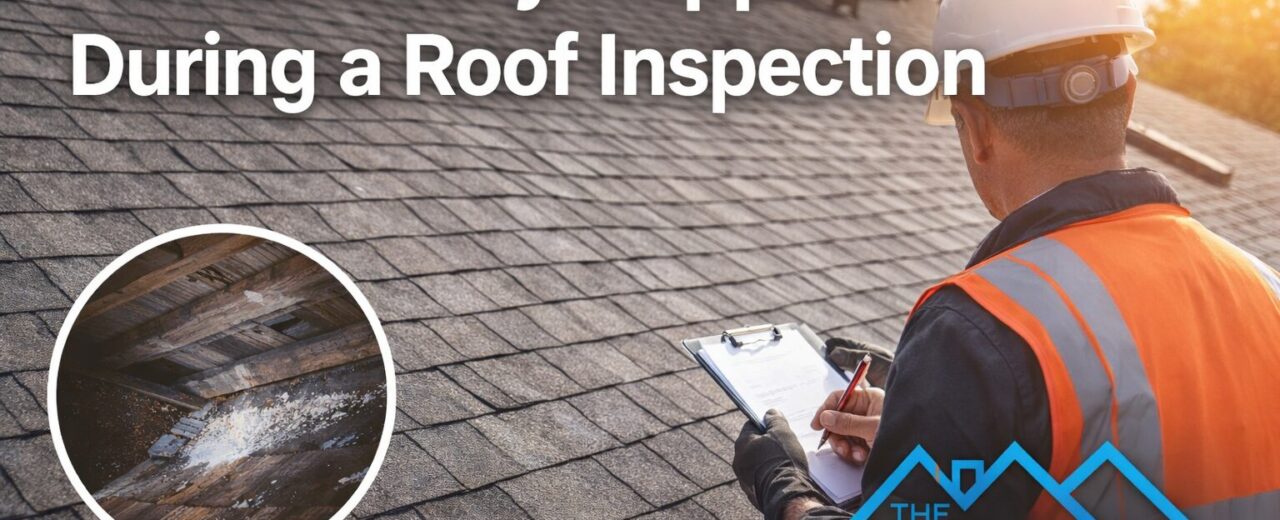
What Really Happens During a Roof Inspection: A Homeowner’s Guide
For many homeowners, a roof inspection feels mysterious—or worse, intimidating. Someone climbs onto your roof, takes photos, and later tells you whether you need repairs or a replacement. But what actually happens during a professional roof inspection, and what should you expect?
Here’s a clear, step-by-step look at what really goes on during a proper roof inspection—and why it matters.
Step 1: Exterior Evaluation from the Ground
A roof inspection usually starts before anyone even climbs a ladder. The inspector walks the property and looks for visible warning signs like sagging rooflines, missing shingles, damaged flashing, or debris buildup. They’ll also check gutters, downspouts, siding, and fascia, since these components all work together to protect your home from water.
This step helps identify obvious issues and potential safety concerns before accessing the roof itself.
Step 2: Walking the Roof Surface
If conditions are safe, the inspector will get on the roof. This is where the most critical assessment happens. They examine shingles for cracking, curling, blistering, granule loss, or soft spots. Special attention is paid to high-risk areas such as valleys, ridges, penetrations, and roof edges.
If your area experiences hail or high winds, the inspector will look for impact marks, bruising, or wind-lift damage that may not be visible from the ground—but can shorten your roof’s lifespan significantly.
Step 3: Flashing, Seals, and Penetrations
Many roof leaks don’t come from shingles—they come from flashing failures. During the inspection, flashing around chimneys, vents, skylights, and walls is checked for rust, separation, or improper installation. Rubber pipe boots and sealants are also inspected, since these materials tend to fail faster than shingles.
This step is crucial because small flashing issues often turn into interior leaks if left unchecked.
Step 4: Attic and Interior Checks
A thorough inspection doesn’t stop on the roof. Inspectors often check the attic for signs of moisture, mold, staining, or daylight coming through the roof deck. They’ll also look at ventilation and insulation, since trapped heat and moisture can damage a roof from the inside out.
Poor ventilation is one of the most common reasons roofs fail early—even when shingles look fine from above.
Step 5: Documentation and Photos
A professional inspection includes clear documentation. Photos of damage, wear patterns, and problem areas help homeowners understand what’s happening on their roof. This is especially important for insurance claims or future planning, even if no immediate repairs are needed.
Good inspectors educate—not pressure.
Step 6: Honest Recommendations
Finally, you’ll receive recommendations based on the roof’s actual condition. That might mean no action at all, minor repairs, storm-related follow-up, or planning for replacement in the coming years. A proper inspection is about clarity, not selling.
Why Regular Inspections Matter
Most roofing problems start small and invisible. Regular inspections—especially after storms—can extend your roof’s life, prevent leaks, and save thousands in unexpected repairs.
Knowing what really happens during a roof inspection empowers you to make informed decisions and protect one of the most important investments you’ll ever make: your home.