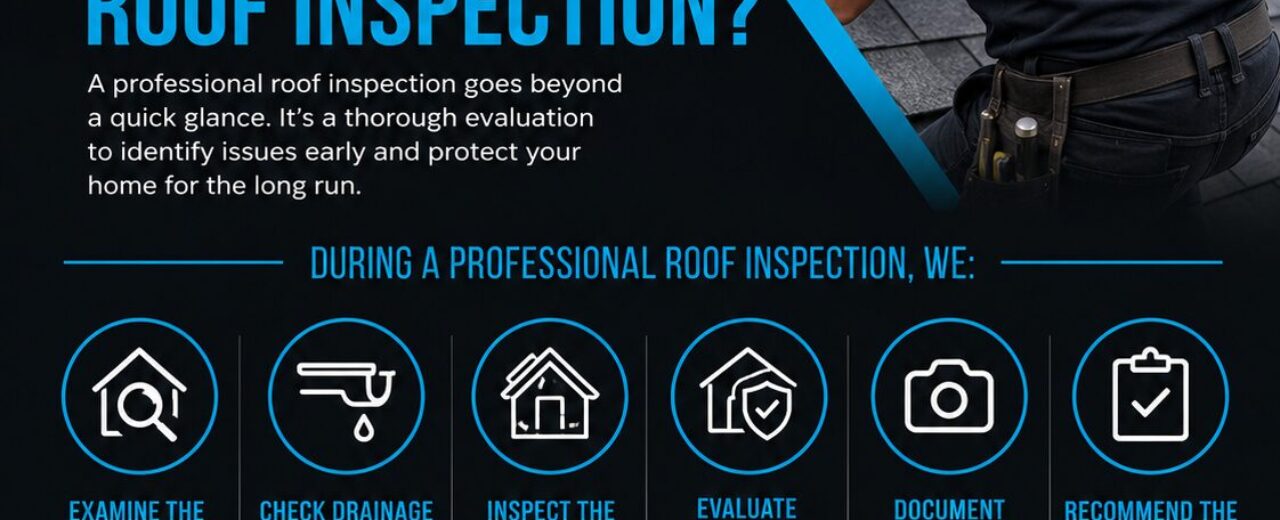
What Happens During a Professional Roof Inspection?
Most homeowners don’t think about their roof until something goes wrong—a leak appears, shingles go missing, or storm damage becomes visible inside the home. But by the time those signs show up, the underlying problem has often been developing for months or even years.
That’s where a professional roof inspection makes all the difference.
At The Roofing Center, we help homeowners in Northern Colorado take a proactive approach to roofing care through our Roof Longevity Program, which is built around routine inspections, preventative maintenance, and long-term roof performance.
Understanding what actually happens during an inspection can help you see why it’s one of the most valuable services for protecting your home and reducing long-term roofing costs.
Why Roof Inspections Matter for Homeowners
A roof is constantly exposed to harsh conditions—especially in Colorado. Hail, wind, snow, UV exposure, and rapid temperature changes all contribute to gradual wear and tear.
Regular inspections help:
- Catch small issues before they become major repairs
- Extend the lifespan of roofing materials
- Reduce emergency roof repair costs
- Prevent premature roof replacement
- Identify hidden storm damage early
In many cases, homeowners who schedule routine inspections save thousands over time simply by addressing minor issues before they escalate.
Step 1: Exterior Roof Evaluation
The inspection begins with a detailed exterior assessment of the roofing system.
A trained roofing professional will examine:
Shingle Condition
- Missing or lifted shingles
- Curling or cracking
- Granule loss (a sign of aging or hail impact)
Flashing and Penetrations
- Chimneys
- Skylights
- Vent pipes
- Valleys and roof edges
Flashing is one of the most common failure points in roofing systems, and even small issues can lead to leaks if left unaddressed.
Signs of Hail or Wind Damage
In Northern Colorado, hail damage roofing is a major concern. Inspectors look for bruising, dents, and impact marks that may not be visible from the ground.
Step 2: Structural and Surface Assessment
Next, the inspector evaluates the overall condition of the roof structure.
This includes:
- Roof decking stability
- Sagging or uneven areas
- Moisture penetration signs
- Soft spots under shingles
These issues are critical because they often indicate hidden damage that could lead to costly structural repairs if ignored.
A strong roofing system is about more than surface appearance—it depends on the integrity of what’s underneath.
Step 3: Attic and Ventilation Check
Many homeowners are surprised to learn that roof health is heavily influenced by attic conditions.
During this step, inspectors evaluate:
- Airflow and ventilation balance
- Heat buildup in the attic
- Moisture or condensation levels
- Signs of mold or wood rot
Poor ventilation can significantly shorten roof lifespan by causing shingles to age prematurely from underneath.
Proper airflow helps regulate temperature and moisture, improving long-term performance and reducing energy costs.
Step 4: Drainage and Gutter System Review
Water management is essential for roof longevity.
Inspectors check:
- Gutter alignment and blockages
- Downspout drainage flow
- Water pooling near roof edges
- Signs of overflow or staining
When drainage systems fail, water can back up under shingles or pool in vulnerable areas, leading to leaks and long-term damage.
Step 5: Detailed Documentation and Reporting
After the inspection, homeowners receive a clear overview of findings.
This typically includes:
- Photos of roof conditions
- Notes on areas of concern
- Recommended repairs or maintenance
- Estimated remaining roof lifespan
- Priority level of any issues found
This documentation helps homeowners make informed decisions without pressure or guesswork.
How Roof Inspections Save Homeowners Money
A professional roof inspection is not just about identifying damage—it’s about preventing unnecessary expenses.
Here’s how inspections create long-term savings:
- Preventing Major Repairs
Small issues like lifted shingles or minor leaks are significantly cheaper to fix early.
- Extending Roof Lifespan
Routine maintenance helps roofing systems last years longer than neglected roofs.
- Avoiding Emergency Costs
Emergency repairs after storms or leaks are often more expensive and disruptive.
- Protecting Home Interiors
Preventing water intrusion avoids costly damage to insulation, drywall, and flooring.
Over time, homeowners who invest in preventative care consistently spend less on roofing overall.
Introducing The Roofing Center Roof Longevity Program
Our Roof Longevity Program is designed for homeowners who want to stay ahead of roofing problems instead of reacting to them.
Rather than waiting for damage, the program focuses on proactive care through scheduled inspections and maintenance planning.
Program benefits include:
- Routine professional roof inspections
- Early detection of weather-related damage
- Maintenance recommendations tailored to your roof
- Priority scheduling for repairs
- Long-term roof performance tracking
This approach turns roofing from a reactive expense into a planned, manageable part of homeownership.
Why Acting Early Matters
Roof issues rarely fix themselves—they worsen over time.
A small problem today can become:
- A major leak
- Structural deterioration
- Mold growth
- Full roof replacement needs
By acting early, homeowners maintain control over costs and avoid emergency situations that are often far more expensive.
Building Long-Term Roofing Confidence
A professional roof inspection gives homeowners clarity, confidence, and control over one of their most important investments.
Instead of guessing about roof condition, you get a clear understanding of what’s happening now—and what to expect in the future.
With the right maintenance plan, your roof can deliver reliable protection for decades.
Final Thoughts
A roof inspection is one of the most valuable services a homeowner can schedule. It provides early insight into potential issues, helps prevent expensive repairs, and extends the life of your roofing system.
In a climate like Northern Colorado, where weather can change quickly and dramatically, proactive roof care is essential.
The Roofing Center is committed to helping homeowners protect their properties through education, transparency, and long-term maintenance solutions.
Call to Action
If it’s been a while since your last inspection—or if you’ve recently experienced a storm—now is the perfect time to take action.
Contact The Roofing Center today to schedule your Roof Health Assessment and learn how our Roof Longevity Program can help extend the life of your roof and reduce long-term maintenance costs.